

A vehicle that refuses to start can be frustrating and inconvenient. While many people immediately suspect the battery, several other components may be responsible.
Understanding the most common causes can help identify the problem quickly.
1. Weak or Dead Battery
The battery provides power to start the engine.
Symptoms:
- Clicking noise
- Dim headlights
- Slow cranking
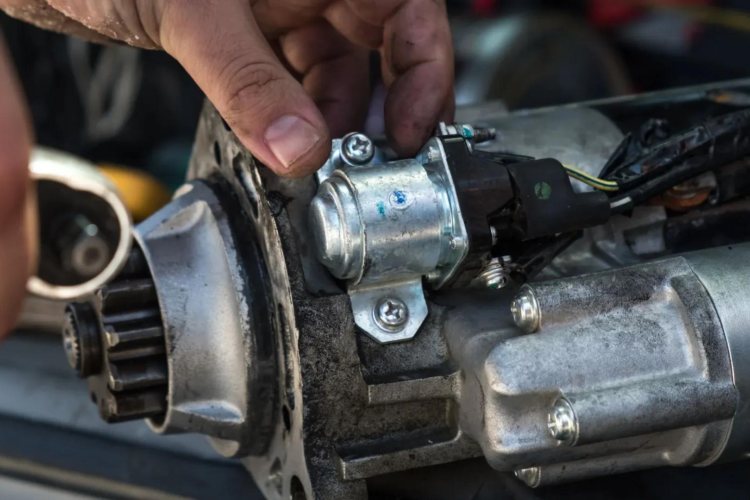
2. Faulty Starter Motor
The starter motor turns the engine during startup.
Symptoms:
- Single click when turning key
- Engine does not crank
- Starts after tapping starter motor
3. Bad Battery Connections
Corrosion or loose terminals can prevent sufficient current flow.
Check:
- Battery terminals
- Ground cables
- Fuse connections
4. Fuel Pump Failure
Without fuel delivery, the engine cannot start.
Symptoms:
- Engine cranks but won’t start
- No fuel pump sound
- Sudden stalling
5. Faulty Crankshaft Sensor
The ECU relies on crankshaft position data for ignition and fuel injection timing.
Symptoms:
- No start condition
- Random stalling
- Check engine light
6. Immobilizer Problems
Modern vehicles use anti-theft systems that can prevent starting.
Symptoms:
- Security light flashing
- Engine starts then stops
- Key recognition issues
7. ECU or Electrical Faults
Software problems, blown fuses, or wiring issues may interrupt starting functions.
Professional Diagnosis
Modern diagnostic scanners can quickly identify:
- Fault codes
- Sensor failures
- Communication issues
- ECU problems
Conclusion
A proper diagnostic scan saves time and prevents unnecessary parts replacement.
Car Won’t Start?
Contact Carwory for professional diagnostics, battery testing, starter testing, and ECU troubleshooting.
Comments